
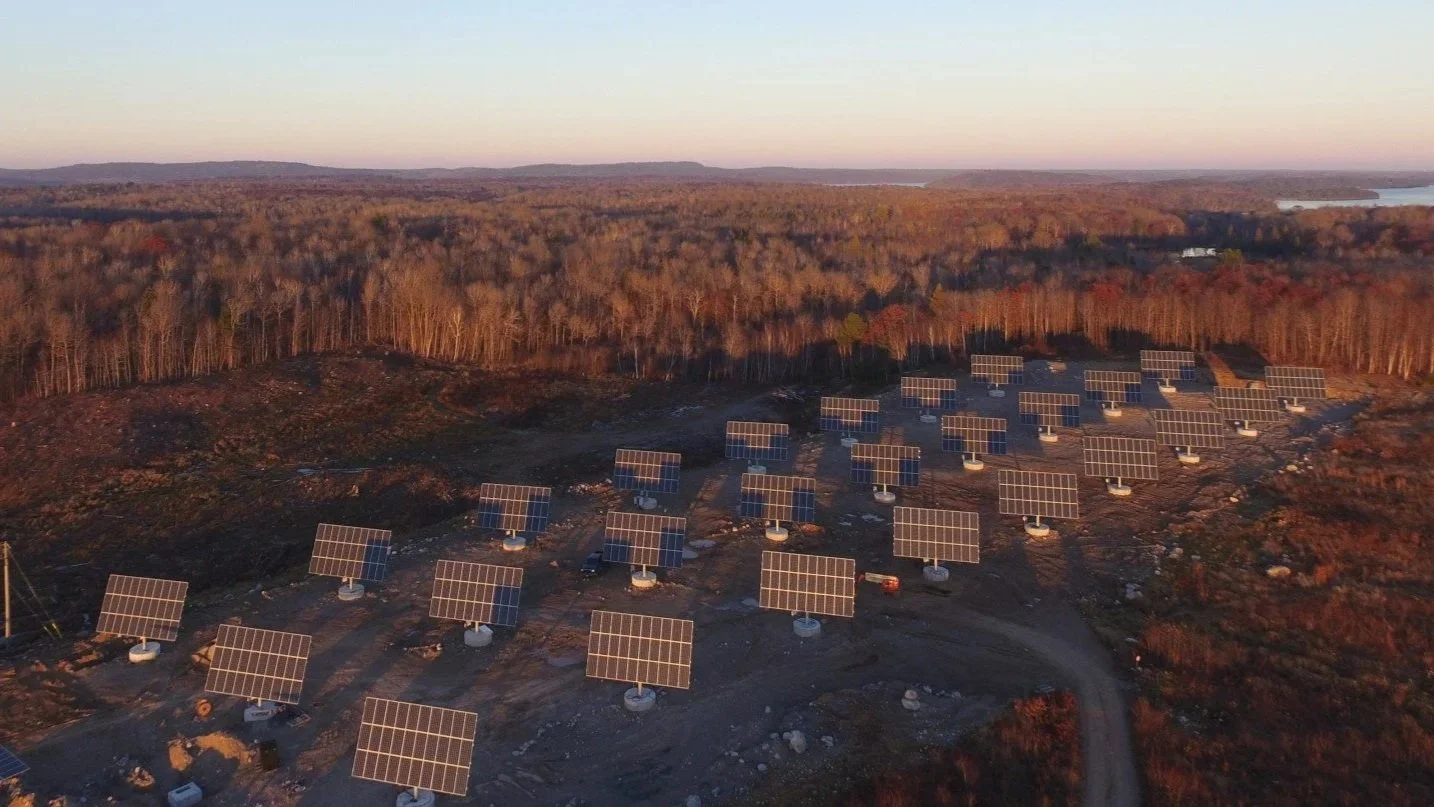
Solvation Solar Farms, Blind River
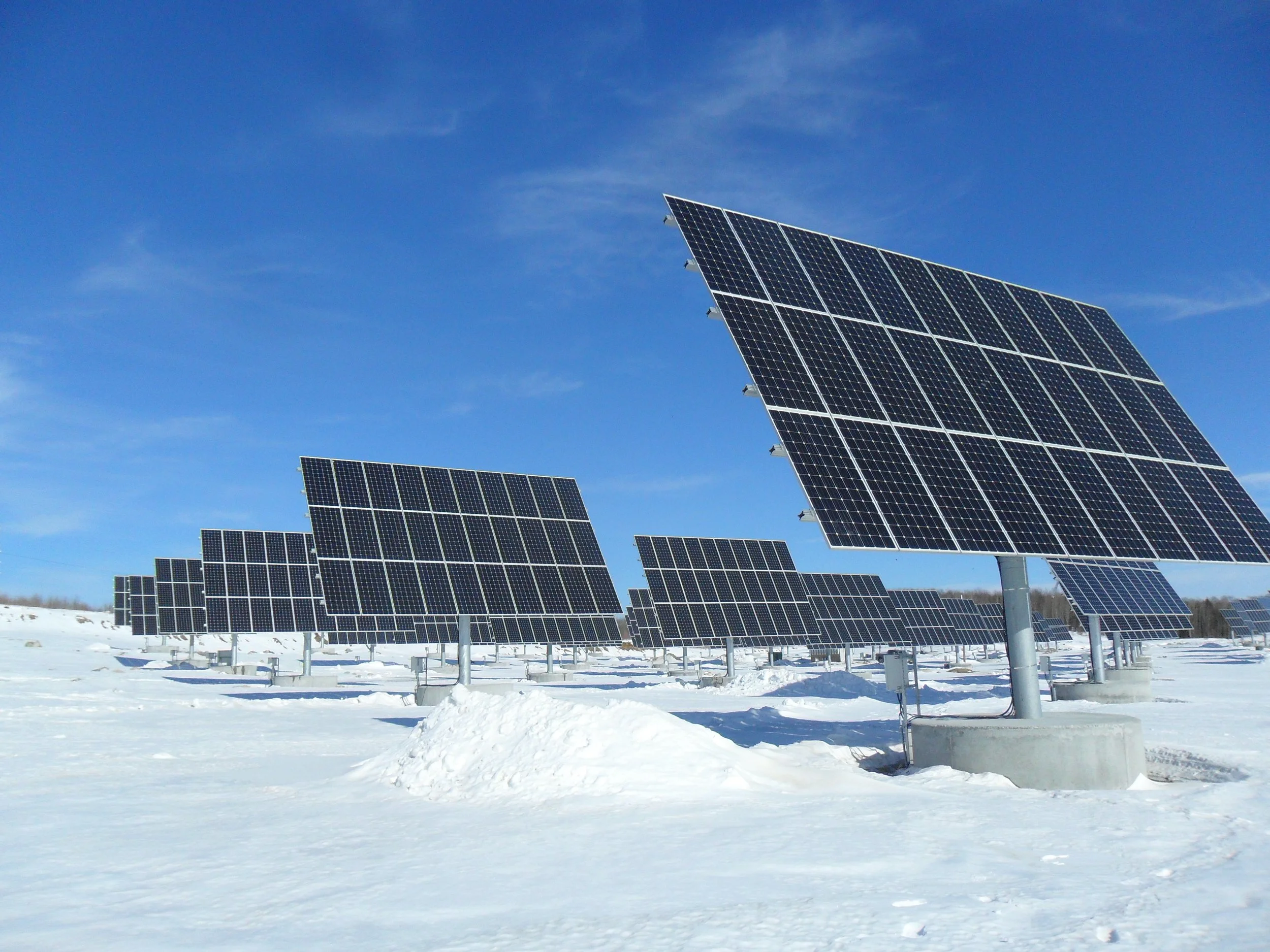
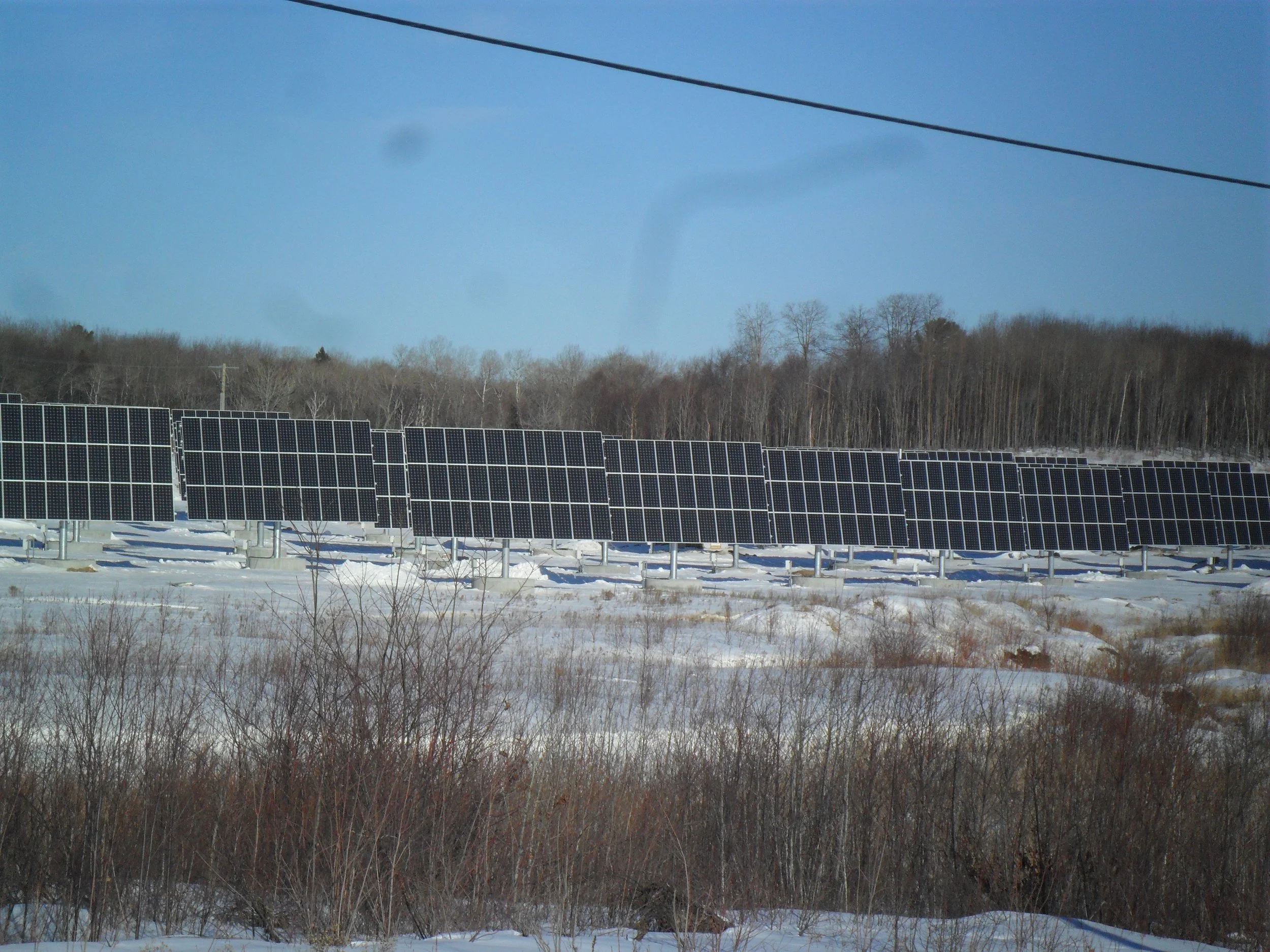
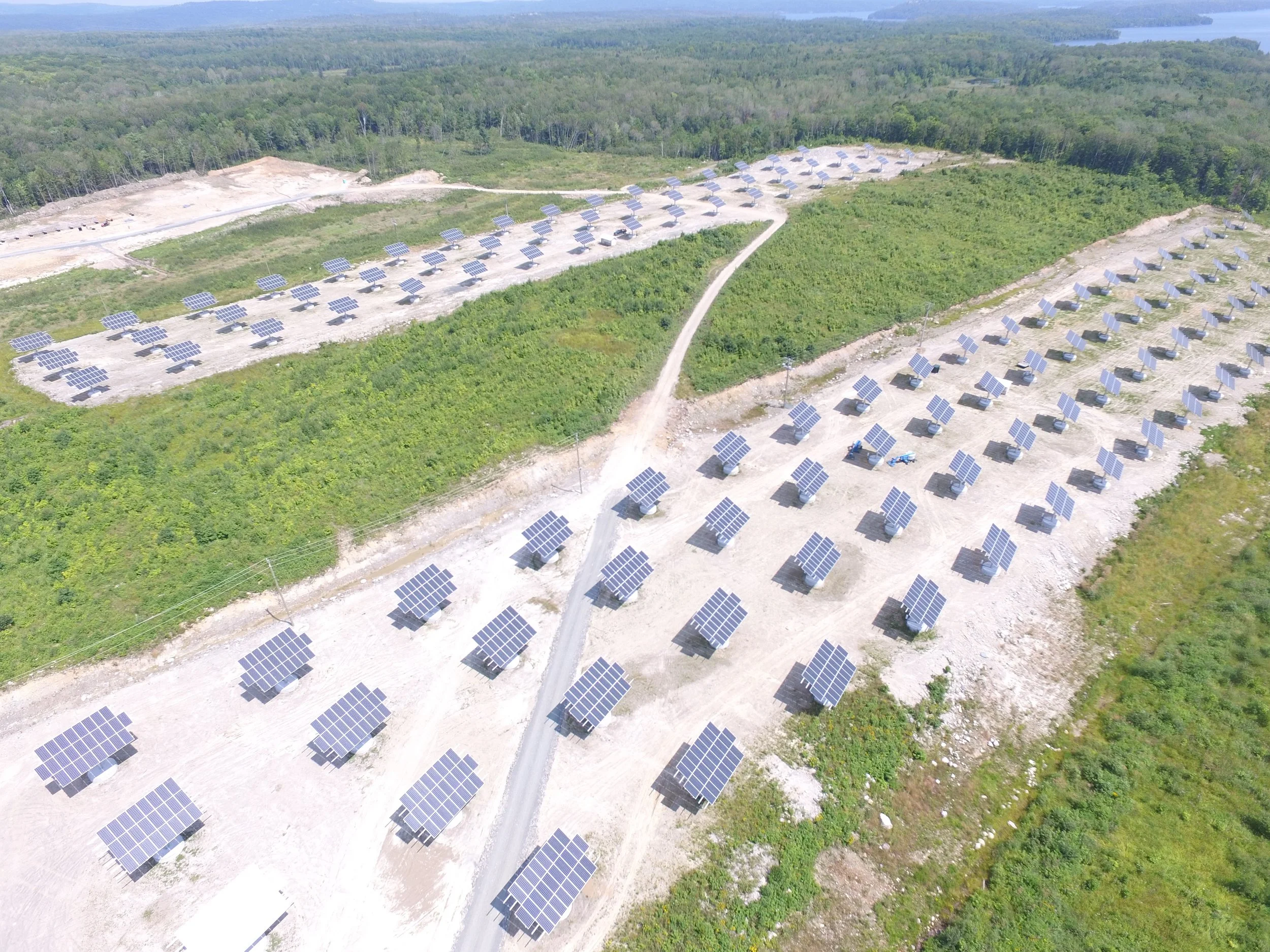
Blind River, Ontario - 198 Solar Trackers That Follow The Sun All Day
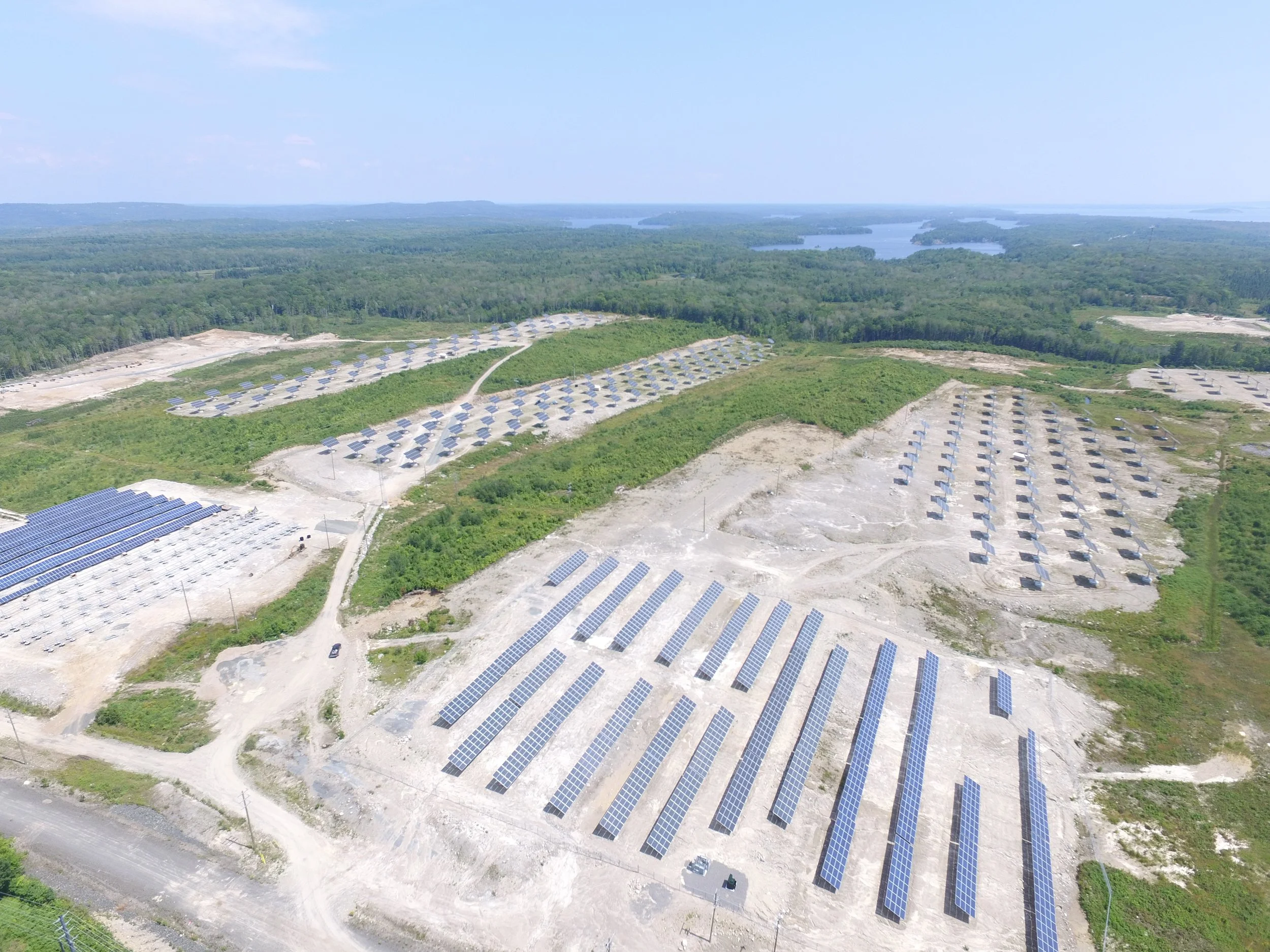
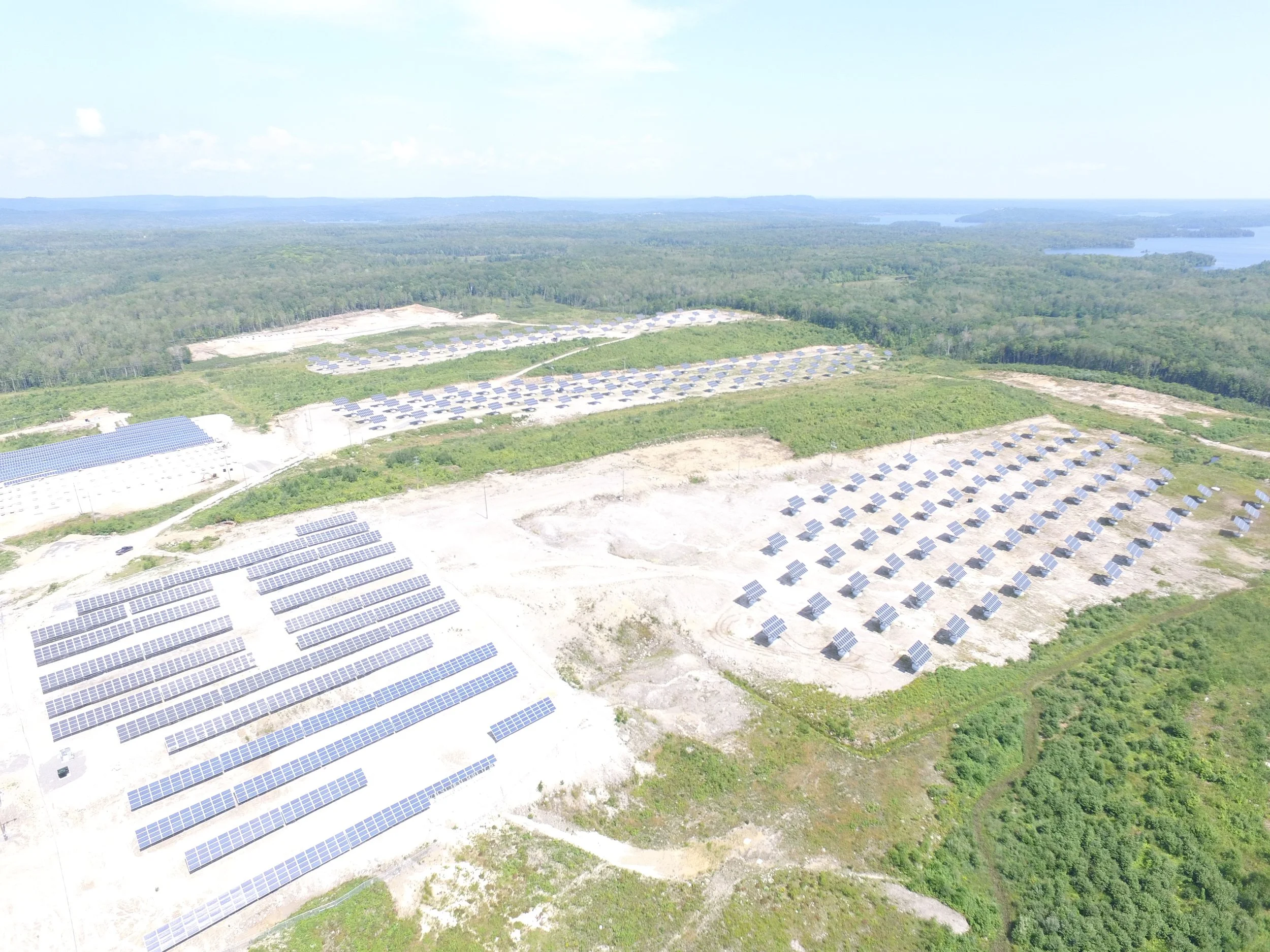
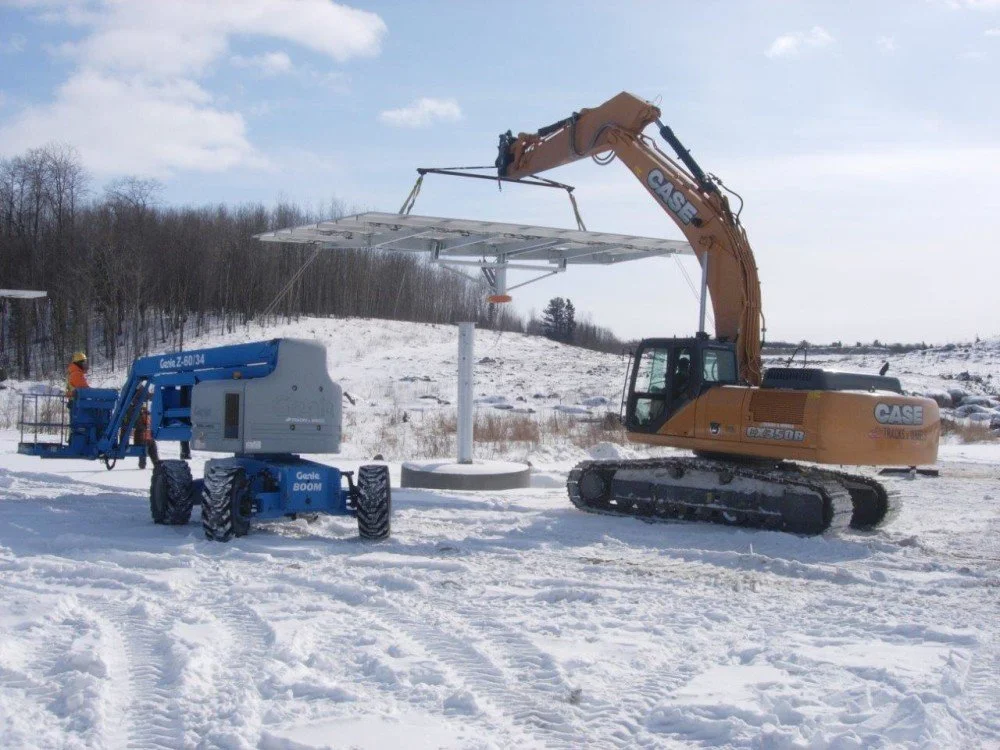
Three tracker solar farms on the North Shore of Lake Huron, built in 2016 and 100% owned by the members of Community Energy Development Co-operative.
Solar project impact
MW Combined capacity
Solar panels
Trackers
Co-op owned
Northern Ontario's Tracker Solar Farms, Owned by the Community
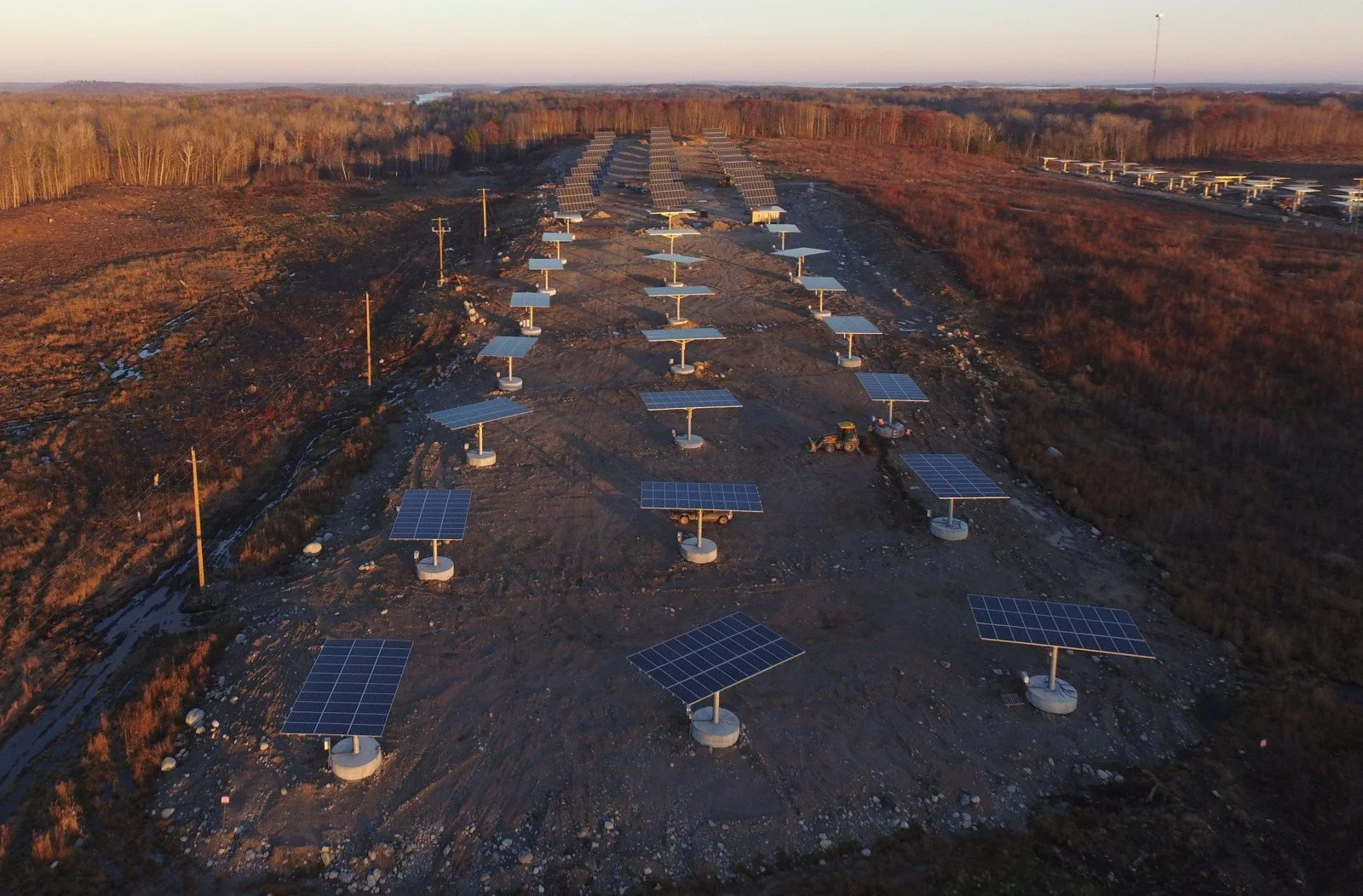
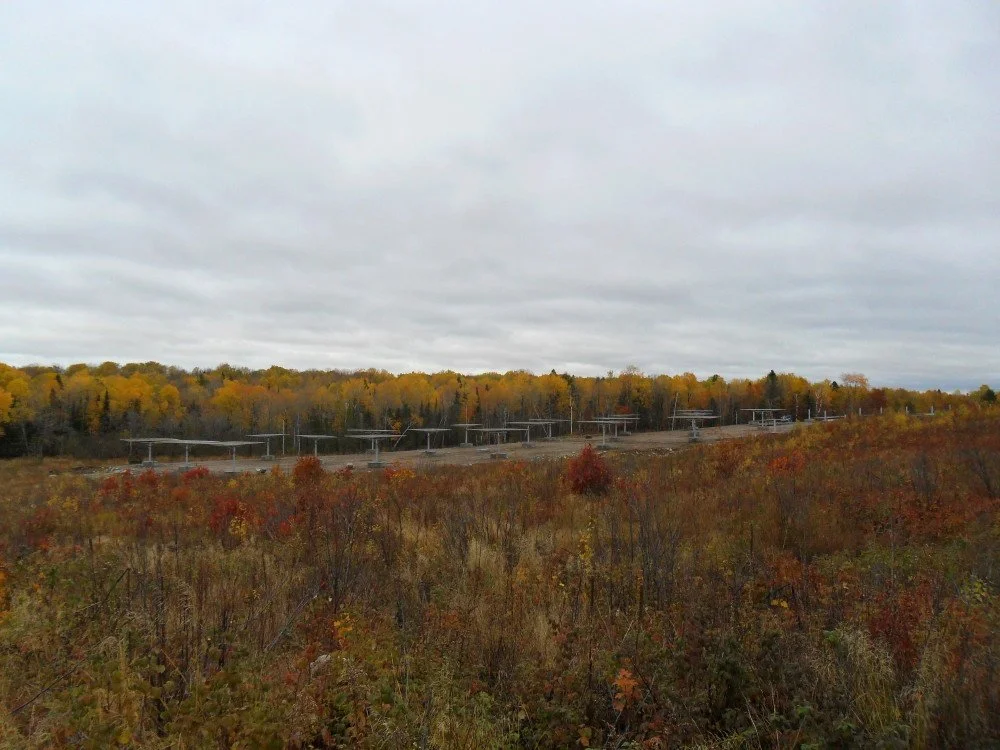
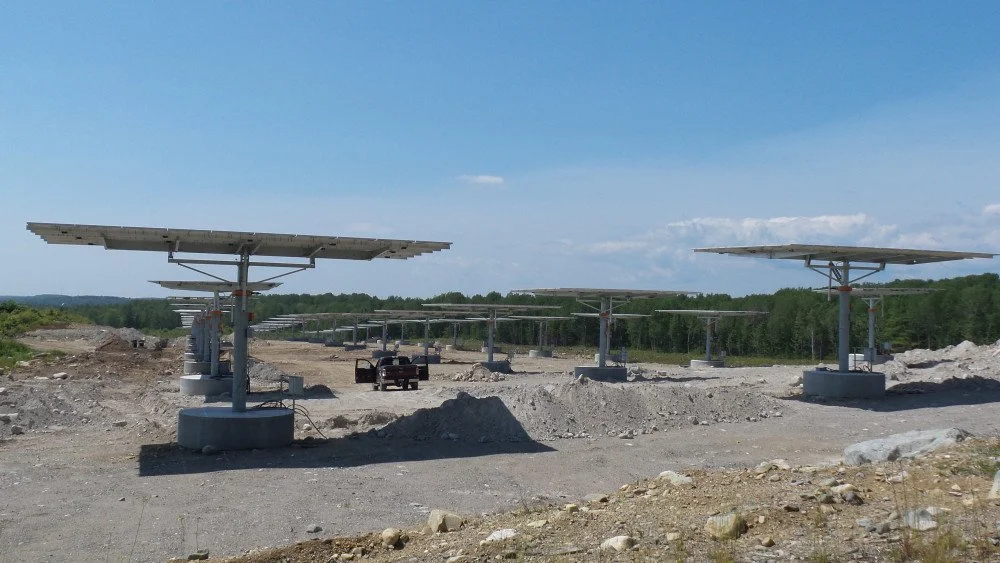
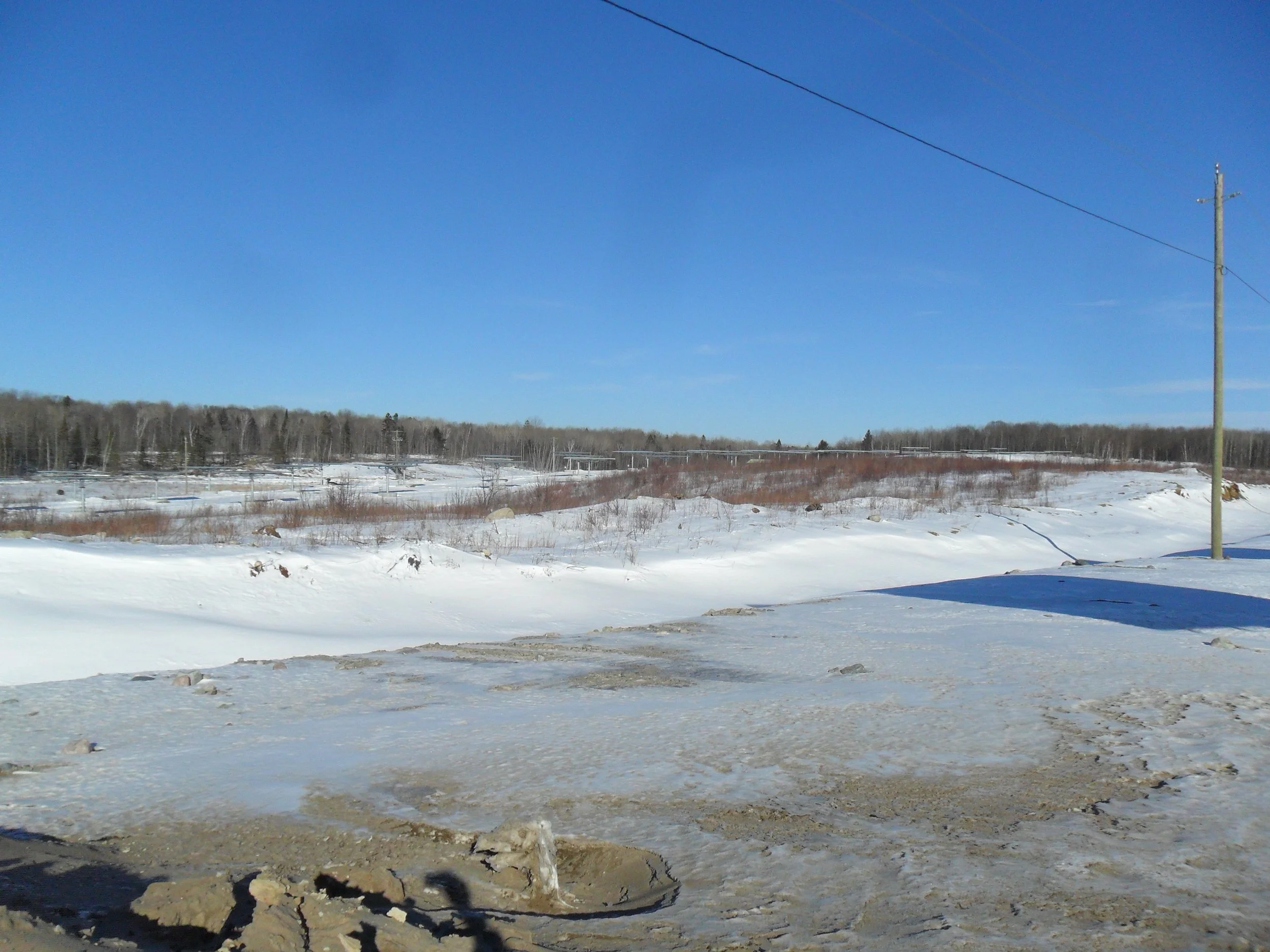
Solvation is CED Co-op's largest group of ground-mount solar farms: three neighbouring systems, Solvation-F, Solvation-V and Solvation-VF, installed together in Blind River in 2016.
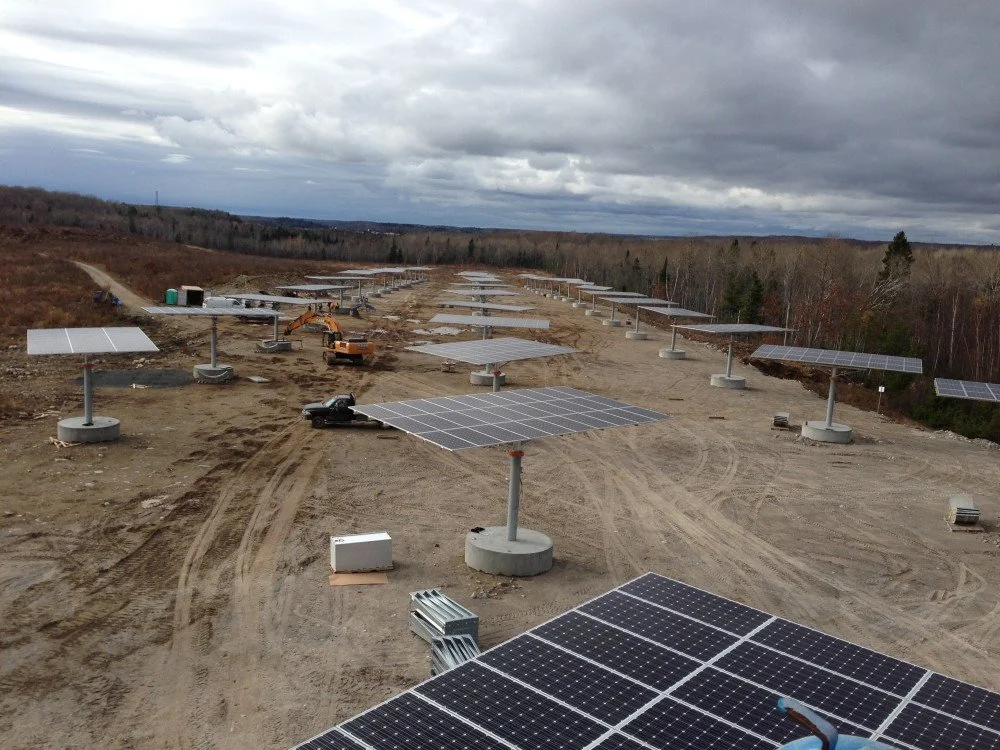
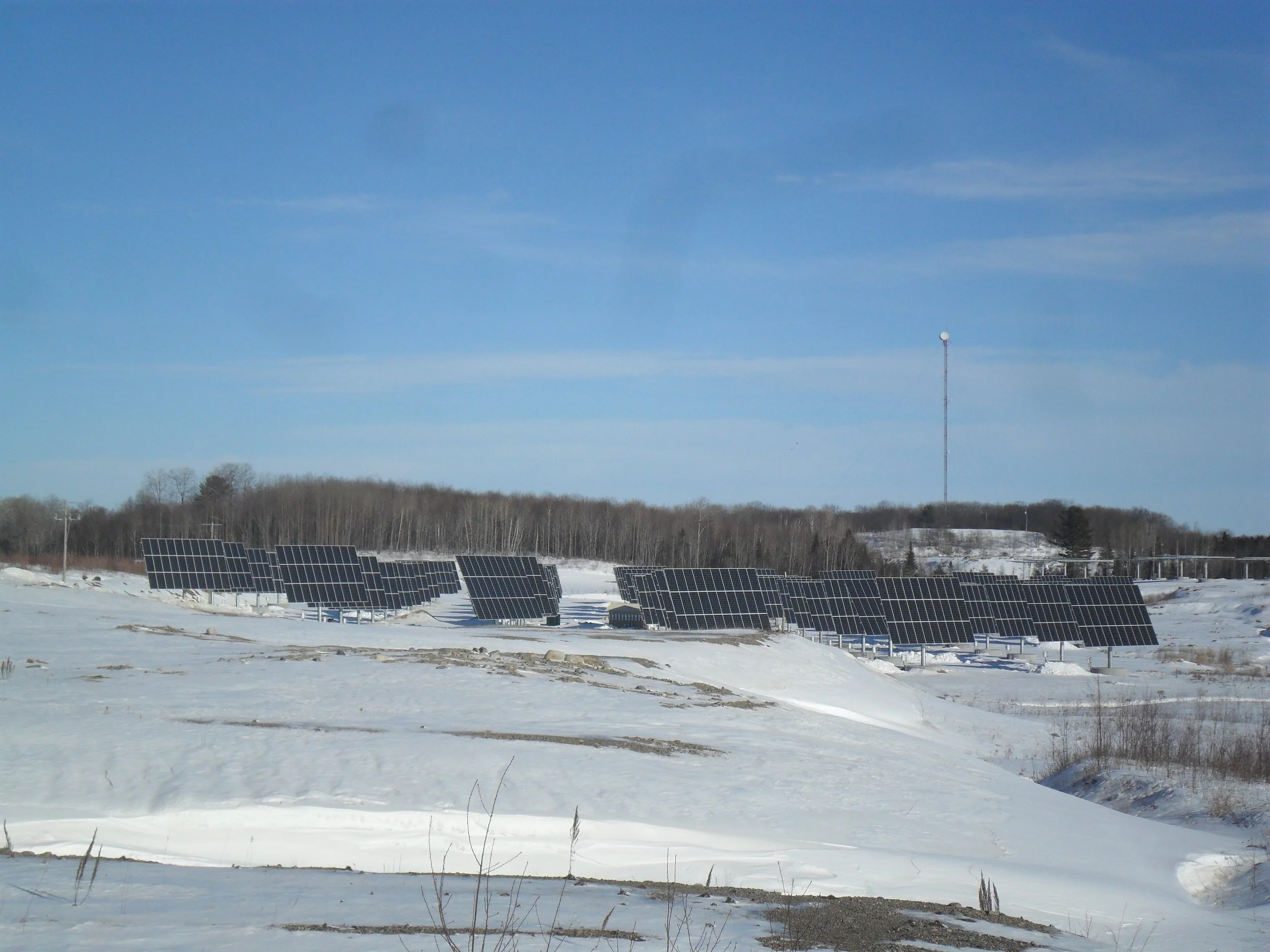
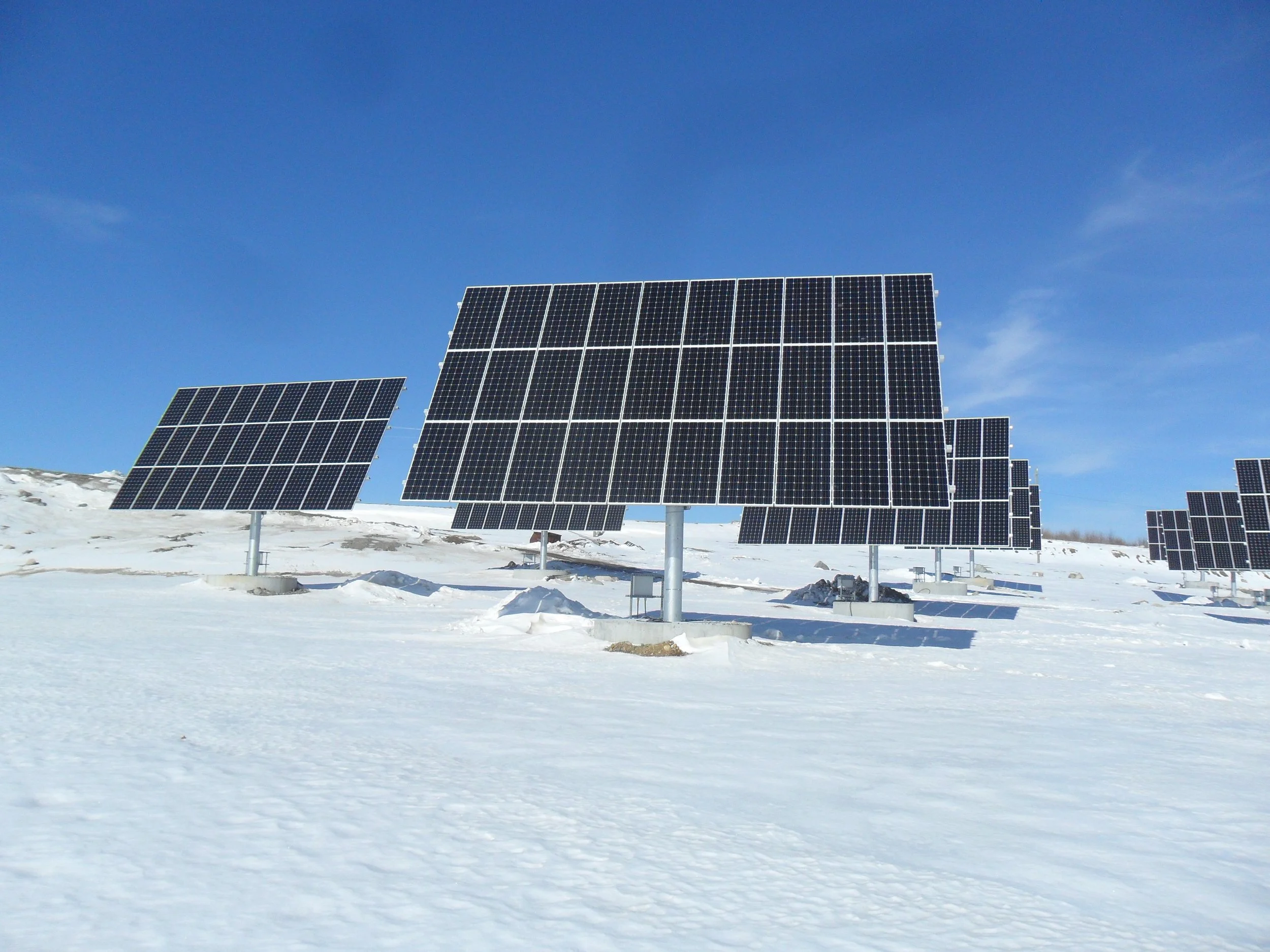
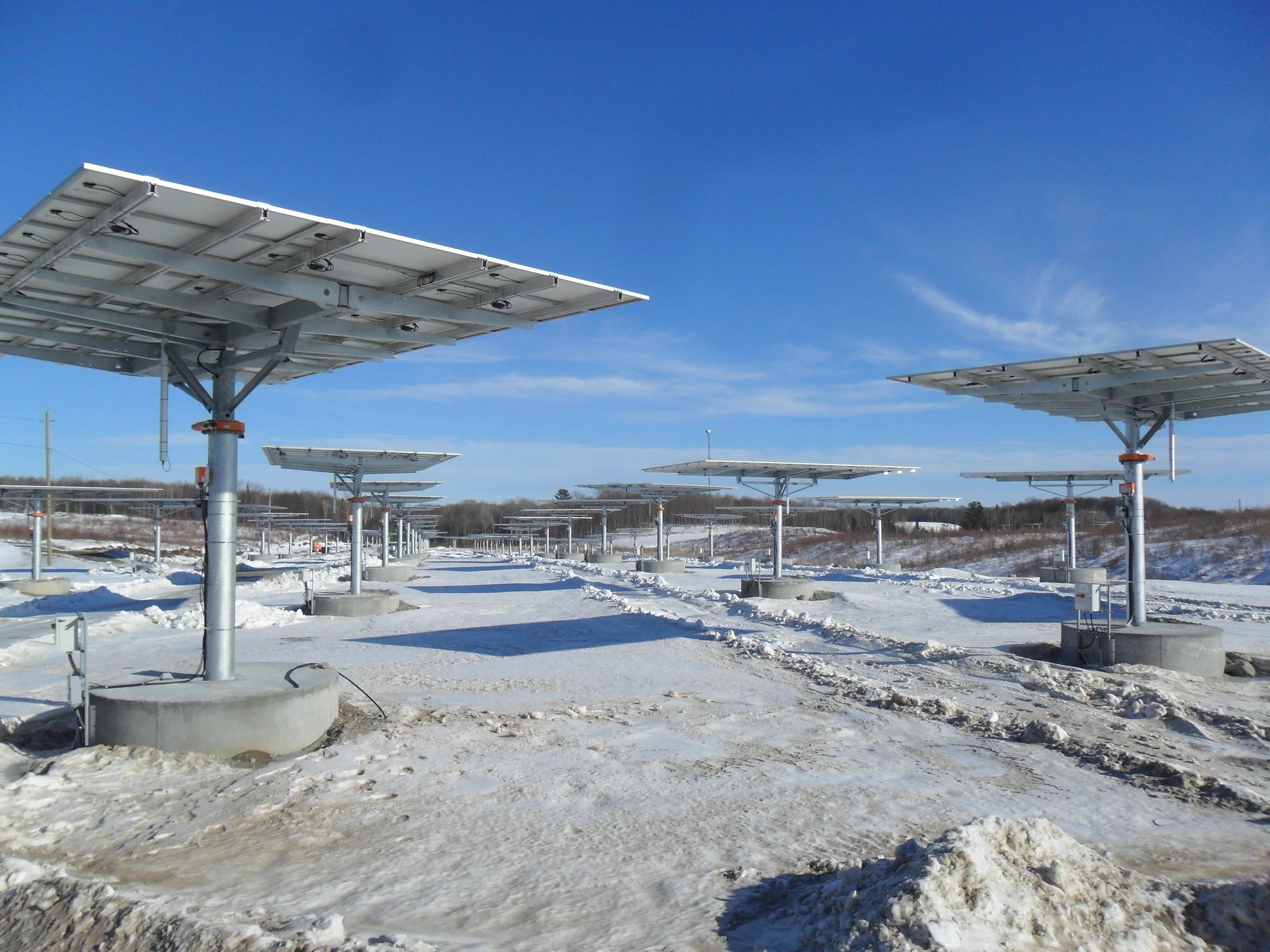
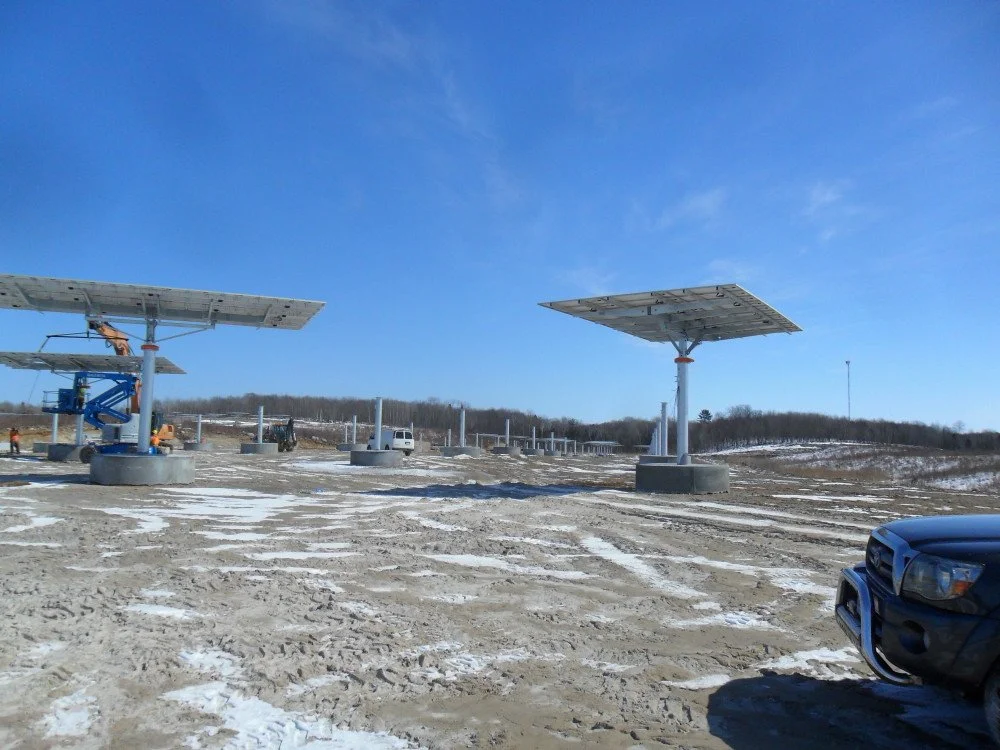
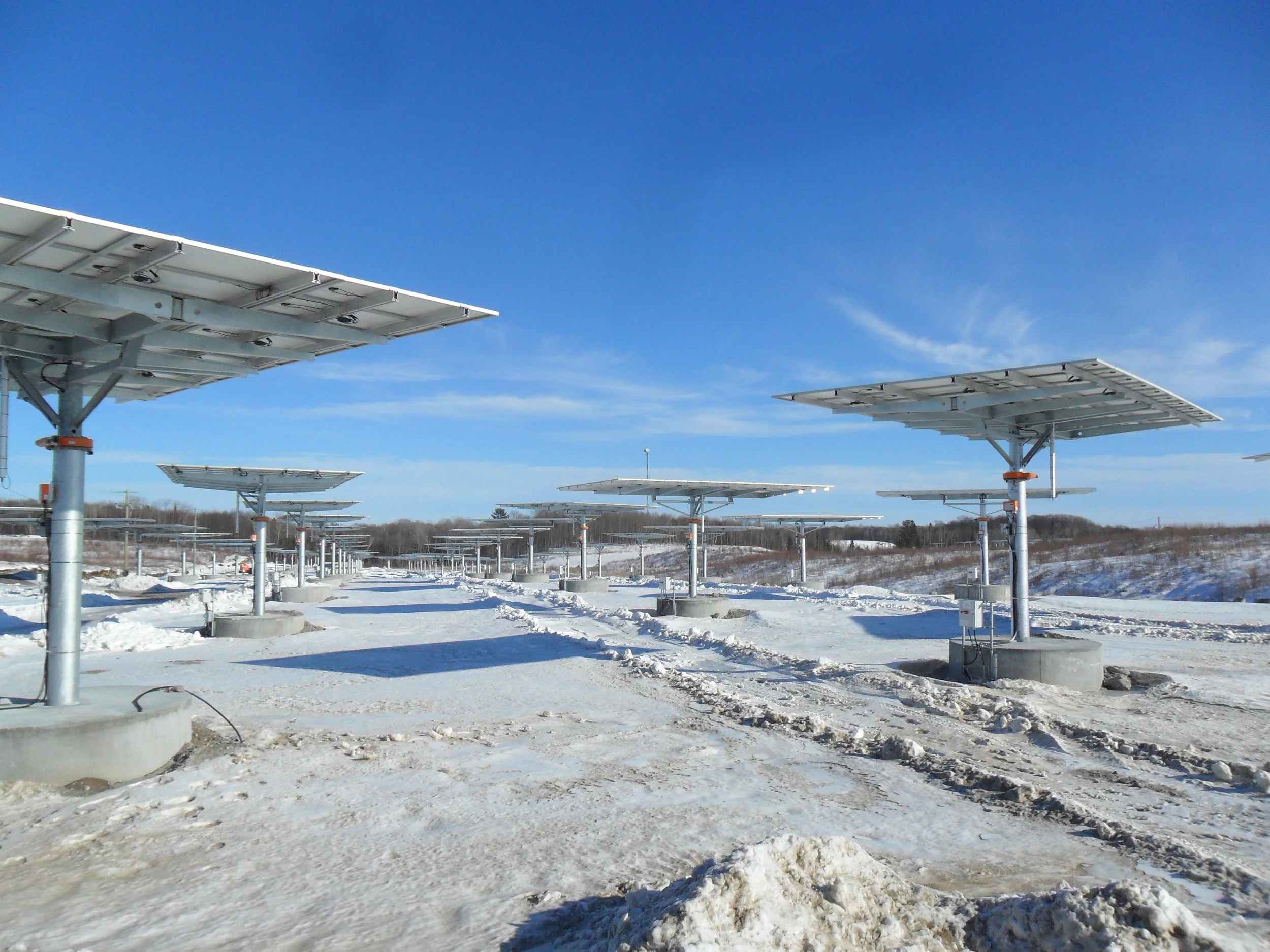
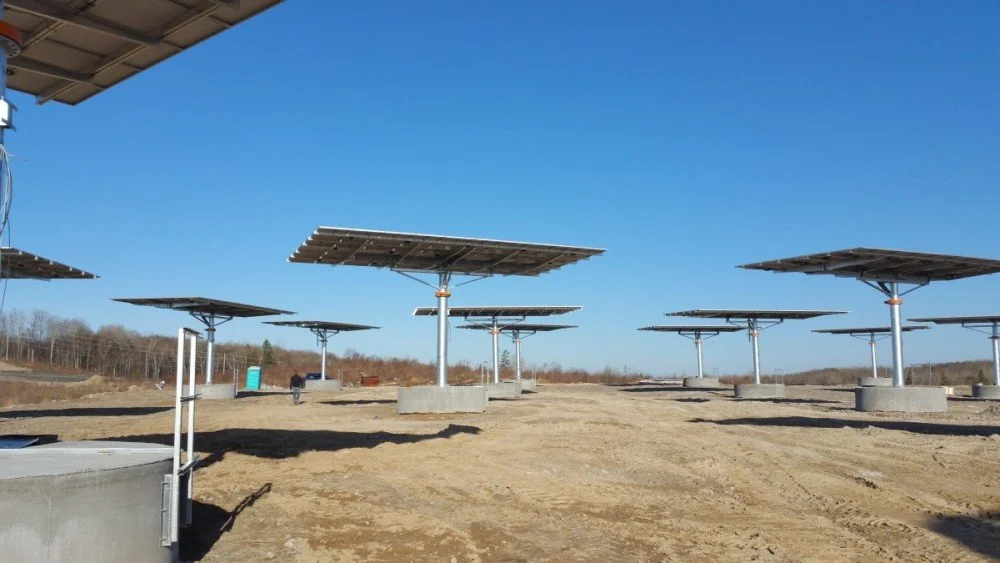
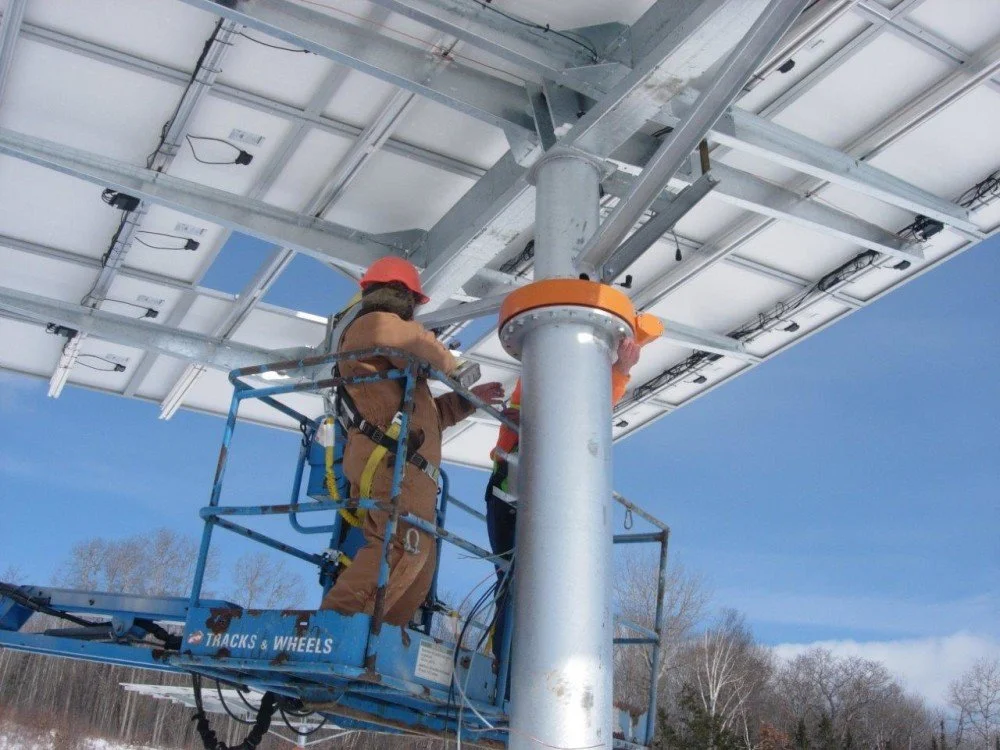
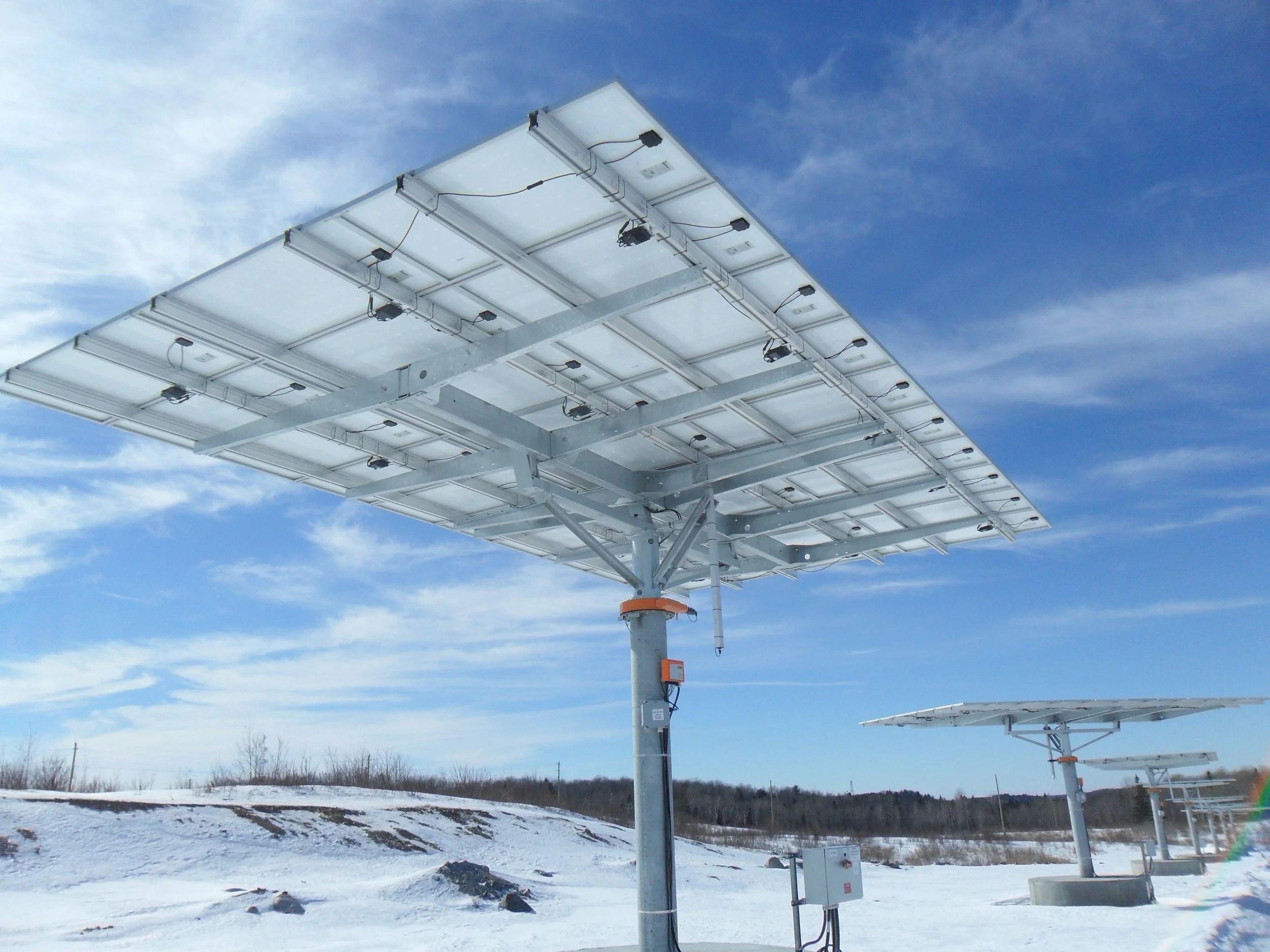
Instead of sitting at a fixed angle, every panel is mounted on a solar tracker that turns to face the sun as it crosses the sky. More hours facing the sun means more clean energy from every panel. On a good day, Solvation-V alone produces over 4,000 kWh.
Together the three farms make up roughly an eighth of CED Co-op's installed capacity. Members own all of it, and the power they sell helps fund the next community solar project in Ontario.
Location: Blind River, Ontario
Region: North Shore of Lake Huron, Northern Ontario
Completed: 2016
System type: Ground-mount solar trackers
Systems: 3 solar farms
Capacity: 1,320 kW combined
Ownership: 100% CED Co-op
Inside Each Solvation Solar Farm
Solvation-F
1,277 panels on 50 solar trackers, completed in 2016 alongside Solvation-V and Solvation-VF.
Capacity 330 kW
Panels 1,277
Trackers 50
Co-op owned 100%
Solvation-V
The largest of the three. 1,935 panels on 74 trackers that can produce over 4,000 kWh of clean energy in a day.
Capacity 500 kW
Panels 1,935
Trackers 74
Co-op owned 100%

Solvation-VF
1,896 panels on 74 trackers, installed with Solvation-V and Solvation-F to complete the Blind River tracker portfolio.
Capacity 490 kW
Panels 1,896
Trackers 74
Co-op owned 100%
WHY TRACKERS
How Solar Trackers Get More From Every Panel
Morning: Trackers turn east to catch the first light, when fixed panels are still at a poor angle.
Midday: Panels face the sun head-on through the peak hours of production.
Evening: They follow the sun west, stretching useful generation into the late afternoon.